
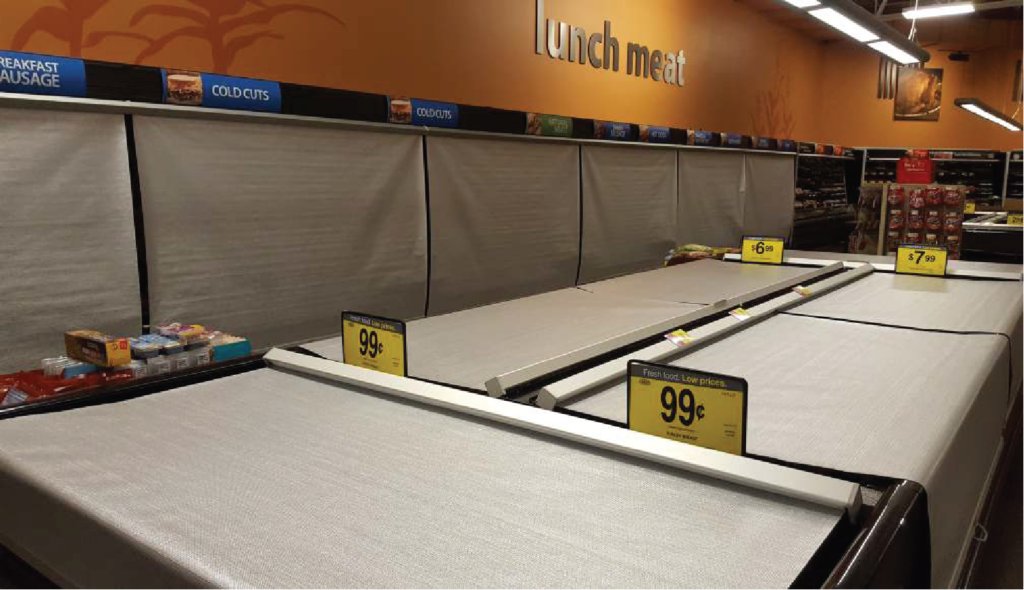
A case-type guide with sizing and mounting tips retailers can hand to contractors
Night covers are a simple, cost-effective solution to protect perishable products, reduce energy consumption, and limit overnight spoilage in refrigerated display cases. However, not all covers are created equal. Choosing the right cover depends on the type of display case, its dimensions, and how it will be installed and used. Retailers who provide clear specifications to contractors can ensure proper fit, optimal performance, and long-term durability.
This guide breaks down best practices for selecting night covers for the most common case types in grocery and specialty stores.
Why Case-Specific Night Covers Matter
Refrigerated cases vary in design, airflow patterns, and shelf configuration. Using a generic cover can lead to gaps, poor temperature retention, and wasted energy. Correct sizing and mounting are critical for:
- Maintaining stable overnight temperatures
- Minimizing energy consumption
- Protecting product quality and extending shelf life
- Reducing staff time spent adjusting or repositioning covers
By selecting covers tailored to each case type, retailers protect both operational efficiency and product appearance.
Multi-Deck Cases
Multi-deck cases are common for produce, dairy, and packaged goods. They feature open fronts with multiple shelving levels and varying depths. Key considerations for night covers include:
- Sizing: Covers should span the full width and height of the opening, reaching each shelf tier without leaving gaps.
- Material: Durable, transparent or semi-transparent materials allow for quick visual inspection without removal.
- Mounting: Sliding or hinged options facilitate nightly use while ensuring a tight seal against cold air escape.
- Additional Tip: Ensure the cover does not interfere with case lighting or airflow during the day.
Coffin Cases
Coffin cases are enclosed, top-opening units commonly used for frozen foods. Night cover selection differs from open-front cases due to their horizontal orientation.
- Sizing: Measure both length and width accurately, accounting for lid clearance and overlapping edges.
- Mounting: Flat, flexible covers that rest on the case top or slide into track systems work best.
- Material: Insulated covers enhance energy savings by reducing temperature fluctuation inside the case.
- Extra Consideration: Some covers may include handles or cutouts for staff access during overnight checks.
Island Cases
Island cases are free-standing units often located in center store areas for produce, deli items, or frozen products. Their exposed sides make overnight protection more challenging.
- Sizing: Covers should wrap around all accessible sides, sealing as much of the perimeter as possible without hindering ventilation.
- Material: Lightweight but sturdy fabrics or plastics ensure easy handling while resisting wear from frequent installation and removal.
- Mounting: Modular or foldable panels can be used to accommodate irregular layouts or partial access needs.
- Tip: For cases with high traffic during the day, ensure covers are easy to remove and replace quickly.
Tub Cases
Tub cases, including open-top freezers and low-profile refrigerated bins, often display bulk products or loose produce.
- Sizing: Measure interior width, length, and depth to ensure the cover completely encloses the case.
- Material: Clear covers allow overnight inspection while reducing temperature loss. Insulated options can further enhance energy savings.
- Mounting: Covers may be designed to rest on top or clip to the edges, depending on the bin design.
- Additional Advice: Ensure cover materials are compatible with cleaning procedures to maintain hygiene standards.
Universal Selection Considerations
Across all case types, retailers should consider the following when selecting night covers:
- Durability: Covers should withstand daily use, cleaning, and repeated handling without tearing or warping.
- Ease of Use: Staff should be able to install and remove covers quickly, ideally in under a minute per case.
- Temperature Retention: Covers must form a tight seal to prevent cold air loss and maintain consistent overnight temperatures.
- Compatibility With Lighting: Transparent or translucent covers should not interfere with daytime product visibility or lighting performance.
- Maintenance: Covers should be easy to clean, sanitize, and store when not in use.
Working With Contractors
When providing specifications to contractors, include:
- Exact Case Type and Dimensions: Length, width, height, and any special design features.
- Material Preference: Insulated or clear, flexible or rigid, based on operational goals.
- Mounting Requirements: Hinged, sliding, clip-on, or track-mounted options.
- Frequency of Use: Covers intended for daily installation may need lighter, easier-to-handle materials.
- Inspection Needs: If overnight inspection is required, transparent materials or viewing panels are preferred.
Clear communication ensures that contractors provide covers that fit properly and perform efficiently, eliminating gaps, drafts, or poorly sealed edges.
Conclusion
Choosing the right night cover is about more than size. It involves understanding the type of display case, its operational environment, and staff workflow. Multi-deck, coffin, island, and tub cases each require tailored solutions to maximize temperature retention, reduce energy use, and protect perishable products overnight.
Retailers who specify dimensions, materials, and mounting requirements clearly to contractors ensure that covers fit perfectly, deliver measurable energy savings, and minimize product waste.
For more guidance on selecting night covers for any display case type and to explore ready-to-use solutions, visit www.nightcovers.com and discover practical options that combine convenience, durability, and performance.