
Introduction
It is commonly assumed that supermarkets consume significantly less energy after closing hours due to the absence of customer activity. However, real operational data shows a different pattern. Overnight energy consumption often remains unexpectedly high, particularly due to refrigeration systems that continue operating under hidden thermal loads. This issue has a direct impact on supermarket refrigeration efficiency, even when stores are not actively in use.
The primary reason lies in continuous heat transfer, system design limitations, and persistent refrigeration demand that does not fully disappear after closing.
1. Refrigeration Systems Never Fully Power Down
One of the key reasons for high overnight energy use is that refrigeration systems remain fully operational 24/7. Unlike lighting or point-of-sale systems, cooling systems must maintain strict temperature control at all times.
Even during low activity periods:
- Compressors continue cycling
- Cooling loads remain active
- Temperature recovery systems operate continuously
This sustained operation contributes to ongoing refrigeration system inefficiencies, even when external demand appears reduced.
2. Residual Heat Load After Store Closing
After closing hours, supermarkets still contain significant residual heat energy stored in building materials and equipment.
This includes:
- Heat retained in walls and ceilings
- Warmth from refrigeration components
- Thermal energy absorbed during daytime operations
This residual heat continues to enter refrigerated zones, increasing system workload and driving up reduce refrigeration energy costs challenges.
3. Open Refrigerated Case Energy Loss Continues Overnight
Open refrigerated display cases are especially vulnerable to energy loss due to their structural design. Even without customer interaction, they continue to exchange air with surrounding environments.
This leads to:
- Continuous cold air leakage
- Persistent warm air infiltration
- Unstable air curtain performance
These conditions result in ongoing open refrigerated case energy loss, which significantly increases overnight consumption.
4. Airflow Instability and Thermal Exchange
Airflow systems in supermarkets are designed for daytime conditions but remain active overnight. However, without stable environmental balance, airflow efficiency decreases.
This causes:
- Weak air containment zones
- Mixing of warm and cold air layers
- Reduced cooling efficiency in open cases
Such instability directly affects cold air loss in display cases, contributing to higher energy usage than expected.
5. Heat Transfer from Surrounding Structures
Supermarket buildings continuously release stored thermal energy even after closing. This slow heat release affects refrigeration systems throughout the night.
Major sources include:
- Floor slabs and concrete structures
- Insulated but warm ceiling systems
- Adjacent non-refrigerated equipment
This ongoing heat transfer increases load on refrigeration units and reduces refrigeration thermal performance efficiency.
6. Refrigeration Load Does Not Drop Proportionally
Although store activity stops, refrigeration load does not decrease at the same rate. Food products still require consistent cooling, and environmental heat continues to enter the system.
This results in:
- Continuous compressor cycling
- Extended cooling recovery periods
- Higher baseline energy demand
This mismatch contributes significantly to hidden refrigeration efficiency improvement gaps.
7. Temperature Instability During Low Activity Hours
Even small temperature fluctuations during the night can trigger additional compressor activity. Open refrigerated systems are particularly sensitive to these changes.
This leads to:
- Frequent temperature corrections
- Increased system responsiveness cycles
- Uneven cooling distribution
These fluctuations impact refrigerated case temperature instability, increasing energy consumption unnecessarily.
8. Lighting and Equipment Heat Contribution
In many supermarkets, certain lighting systems and equipment remain partially active overnight. Even low-intensity operation contributes to heat buildup.
This includes:
- LED drivers generating residual heat
- Backup systems and standby equipment
- Control room and HVAC components
This additional thermal load increases overall supermarket energy savings solutions challenges.
9. Inefficient Energy Management at Store Level
Many supermarkets rely on average-based monitoring systems that fail to detect localized energy loss during low-traffic hours.
Common issues include:
- Lack of zone-specific energy tracking
- Overlooking airflow inefficiencies
- Ignoring micro-thermal variations
This leads to underestimation of actual refrigeration energy optimization needs.
10. Impact on Operational Costs and Efficiency
High overnight energy consumption directly affects operational budgets. Even when sales activity is zero, energy systems continue to operate at high loads.
This results in:
- Increased electricity expenses
- Reduced overall system efficiency
- Higher long-term maintenance stress
These factors significantly impact supermarket energy savings solutions performance targets.
11. Importance of Structural Efficiency Improvements
Reducing overnight energy consumption requires addressing system design rather than only operational behavior.
Effective improvements include:
- Better insulation across store structures
- Optimized airflow management systems
- Reduced open exposure in display zones
These upgrades support long-term refrigeration efficiency improvement across all operating conditions.
12. Role of Night Covers in Reducing Overnight Load
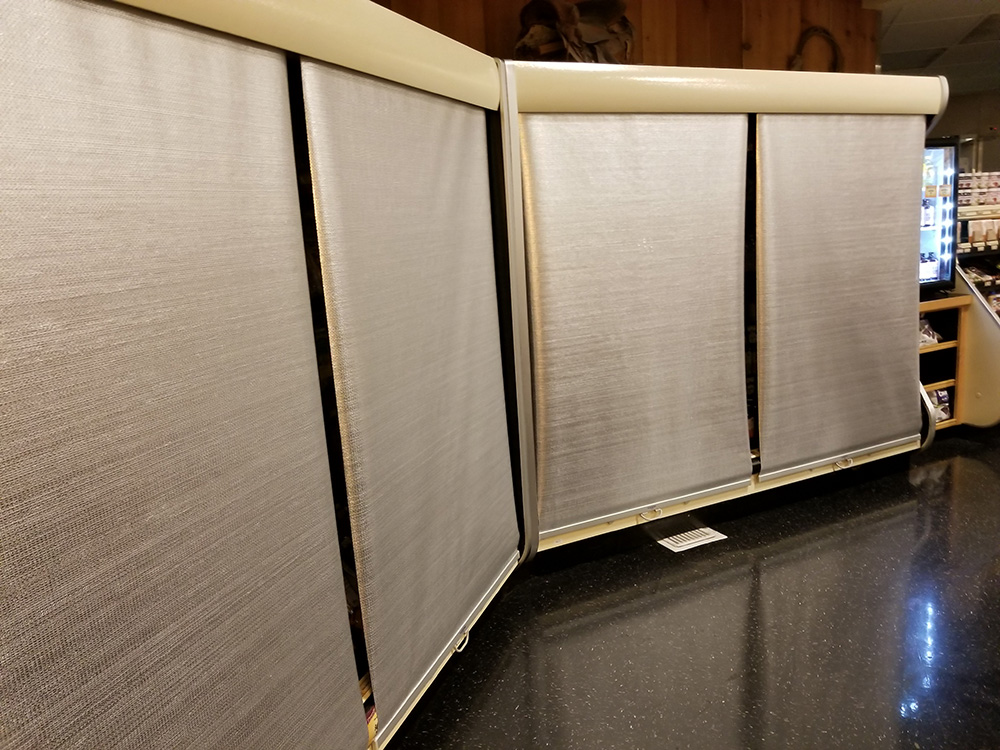
One of the most effective solutions for reducing unnecessary overnight energy consumption is physical coverage of open refrigerated cases.
Modern night covers for refrigerated cases help:
- Prevent cold air escape
- Reduce external heat infiltration
- Stabilize internal temperature conditions
These refrigeration night cover solutions significantly reduce overnight compressor load and improve energy retention.
Conclusion
Overnight energy consumption in supermarkets remains higher than expected due to continuous refrigeration demand, residual heat loads, airflow instability, and structural inefficiencies. Even without customer activity, refrigeration systems continue working against environmental and thermal forces, leading to persistent supermarket refrigeration efficiency challenges.
By addressing design-level inefficiencies and implementing night covers for refrigerated cases, retailers can significantly reduce open refrigerated case energy loss, improve system stability, and achieve better long-term energy performance.
For More Information
For more insights on advanced refrigeration efficiency and night cover solutions, visit https://www.nightcovers.com.