
Step-by-step tasks, accountability tips, and how to reduce “missed nights”
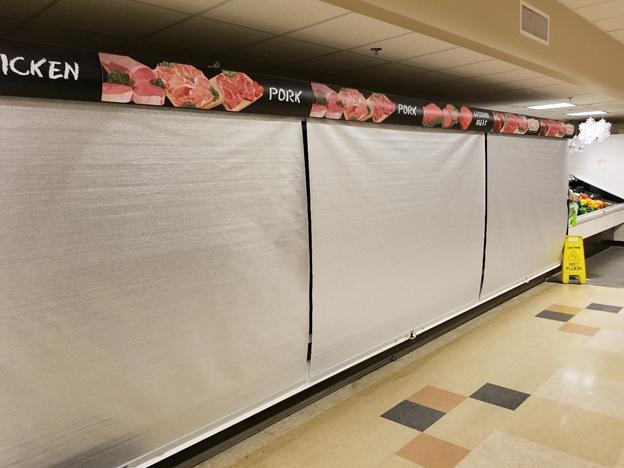
Ensuring refrigerated display cases remain energy-efficient and product-safe after hours requires more than just quality night covers.it depends on consistent staff routines. Many stores invest in covers, only to find that improper or inconsistent use diminishes their impact. A practical, simple, and repeatable Standard Operating Procedure (SOP) can dramatically improve compliance while protecting perishable items, lowering energy costs, and maintaining operational efficiency.
This guide outlines a 5-minute closing routine that staff can realistically follow, accountability measures to ensure compliance, and tips to reduce the risk of skipped steps.
Why a Standard Closing Routine Matters
Even the best night covers fail to deliver benefits if they are not applied correctly and consistently. Common issues from inconsistent practices include:
- Energy Loss: Gaps in cover placement or missed nights allow cold air to escape, forcing compressors to run longer.
- Product Degradation: Temperature-sensitive foods, including dairy, meats, and prepared items, can experience faster spoilage.
- Operational Inefficiency: Staff may spend extra time correcting improper placements or addressing moisture and condensation issues.
- Inconsistent Store Experience: Customers may see less visually appealing products in the morning, affecting satisfaction and trust.
- A simple, repeatable SOP ensures that staff can reliably use night covers while minimizing time and effort.
The 5-Minute Night Cover Process
A properly structured closing routine should take no more than five minutes per display case. Here is a step-by-step approach:
1. Pre-Cover Preparation (1 Minute)
- Check that all products are properly stocked and doors are closed.
- Remove any debris or obstructions that could prevent full cover contact with the case surface.
- Verify that lighting, fans, or other equipment inside the case are properly adjusted for overnight operation.
2. Night Cover Alignment (2 Minutes)
- Place the night cover carefully over the case, ensuring it fits flush against all edges.
- Check that magnetic fasteners, clips, or hooks are securely engaged.
- Adjust for uneven shelving or corner areas to prevent gaps where cold air could escape.
3. Quick Verification (1 Minute)
- Walk along the case to visually confirm that the cover is fully aligned.
- Gently press along seams or fasteners to ensure there are no leaks.
- Confirm that airflow inside the case is not obstructed and lights are set to overnight mode, if applicable.
4. Documentation and Accountability (1 Minute)
- Record the cover application in a simple log sheet, app, or checklist.
- Note any issues such as misalignment, damaged covers, or debris that need correction before the next use.
- Sign or initial the log to assign accountability.
By following this process, staff can complete night cover application quickly without compromising effectiveness.
Tips to Reduce “Missed Nights”
Even the best SOP is ineffective if staff occasionally skip steps. Stores can reduce missed nights by implementing practical measures:
- Visible Reminders: Place signage near the case or staff workstation to prompt completion.
- Rotating Responsibility: Assign night cover duties on a rotation schedule to distribute accountability evenly.
- Digital Logs: Use a shared digital log to track completion and identify patterns in missed nights.
- Training and Reinforcement: Include the SOP in onboarding and periodic refreshers to reinforce the importance of overnight cover use.
- Incentives: Recognize teams or individuals who consistently follow the procedure to encourage compliance.
Additional Operational Considerations
To maximize the benefits of a 5-minute night cover routine, consider integrating other operational practices:
- Pair with Food-Safe Lighting: Balanced-spectrum lighting reduces heat and helps maintain product quality, complementing the effect of night covers.
- Regular Maintenance: Inspect covers weekly for wear, damage, or misalignment to ensure consistent performance.
- Combine with Temperature Monitoring: Track overnight case temperatures to verify that covers maintain cold air effectively.
- Adjust SOP for Case Type: Multi-deck, coffin, island, or tub cases may require slight modifications in cover placement or alignment to achieve full efficiency.
Benefits of a Structured Night Cover SOP
Implementing this short, repeatable process offers multiple advantages for retail operations:
- Energy Savings: Properly applied night covers reduce heat gain, lowering compressor runtime and electricity costs.
- Product Preservation: Stable overnight temperatures protect perishable items from accelerated spoilage, dehydration, or oxidation.
- Operational Efficiency: Clear steps reduce staff confusion, rework, and wasted time.
- Accountability and Compliance: A documented process ensures reliable execution and helps managers monitor adherence.
- Improved Customer Experience: Products appear fresh and appealing every morning, enhancing shopper confidence and loyalty.
The cumulative effect of these benefits supports both operational goals and sustainability initiatives, demonstrating measurable impact with minimal investment.
Conclusion
A 5-minute night cover SOP is a practical, actionable way to protect refrigerated displays, improve energy efficiency, and maintain product quality. By following a simple sequence of preparation, cover placement, verification, and documentation, staff can consistently execute the routine without overcomplicating closing procedures.
Pairing this SOP with proper maintenance, food-safe lighting, and staff accountability measures ensures maximum effectiveness night after night. Retailers that prioritize structured night cover routines see faster pull-down times, lower energy use, reduced spoilage, and more visually appealing products at opening.
For detailed guidance on night cover selection, proper installation, and operational best practices across all case types, visit www.nightcovers.com and discover solutions designed for modern grocery operations.