
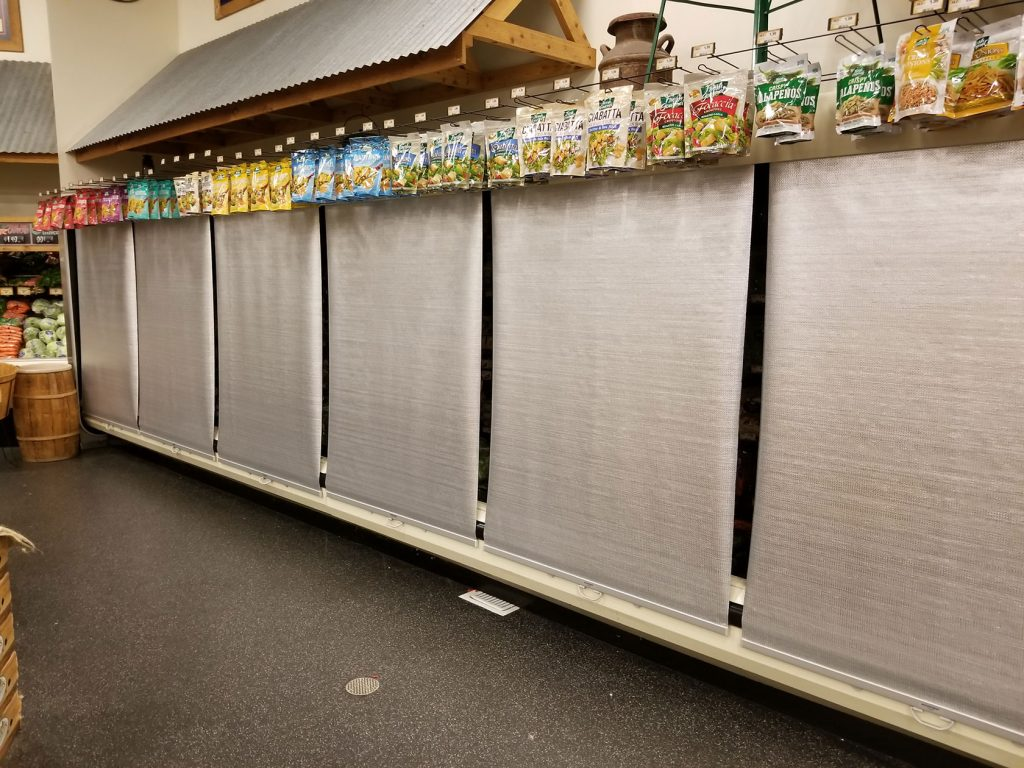
Measurements, mounting surfaces, clearance issues, and common mistakes that cause poor sealing
Night covers are a simple yet highly effective tool for reducing energy consumption, maintaining stable temperatures, and protecting perishable products in refrigerated display cases. However, the benefits of night covers can only be realized if they are properly installed. Poor installation can lead to gaps, air leaks, and reduced efficiency, undermining the investment.
This checklist provides a step-by-step guide for retailers, store managers, and contractors to ensure proper installation of night covers across different refrigerated display cases.
Why Proper Installation Matters
Even the best-designed night cover can fail to deliver energy savings or product protection if not installed correctly. Key reasons to prioritize proper installation include:
- Maintaining consistent overnight temperatures
- Reducing compressor workload and energy consumption
- Minimizing product spoilage, dehydration, and oxidation
- Avoiding frustration and extra labor for staff
- A systematic approach ensures that covers form a tight seal, fit securely, and remain durable over daily use.
Step 1: Accurate Measurements
The foundation of a successful installation is precise measurement of the display case:
- Width and Length: Measure the full opening of the case, including any angled or curved edges.
- Height: Consider the height from the base of the opening to the top edge where the cover will rest.
- Obstructions: Note any handles, rails, or light fixtures that may interfere with full coverage.
- Shelf Tiers: For multi-deck cases, measure the depth of each shelf to ensure the cover will extend over all levels if necessary.
Accurate measurements prevent gaps that allow cold air to escape and reduce energy savings.
Step 2: Assess Mounting Surfaces
Night covers must anchor securely to maintain a seal without shifting or sagging. Check the following:
- Material Compatibility: Ensure the mounting surface is strong enough to support the cover’s weight.
- Surface Flatness: Uneven surfaces may require adjustment or custom-fitting to prevent air gaps.
- Attachment Points: Identify brackets, clips, or tracks designed to hold the cover in place.
Selecting the correct mounting method for each case type—multi-deck, coffin, island, or tub—ensures stability and consistent performance.
Step 3: Evaluate Clearance Issues
Before finalizing installation, confirm that night covers will fit without interference:
- Door or Lid Clearance: Covers should not obstruct lids, sliding doors, or service panels.
- Lighting and Signage: Ensure covers do not block case lighting or promotional displays during the day.
- Staff Access: Make sure covers can be installed and removed easily without excessive bending, lifting, or repositioning.
Proper clearance reduces wear and tear, prevents accidental damage, and supports daily operational efficiency.
Step 4: Common Installation Mistakes to Avoid
Even experienced teams can make errors that compromise night cover effectiveness. Key mistakes include:
- Gaps at Corners: Incomplete coverage at edges allows cold air to escape, reducing energy savings.
- Improper Mounting: Using clips or tracks not designed for the case can cause sagging or misalignment.
- Incorrect Measurements: Skipping detailed measurement of width, depth, and height leads to ill-fitting covers.
- Obstructed Seal: Ignoring handles, rails, or other protrusions prevents the cover from forming a tight seal.
- Neglecting Material Durability: Thin or worn materials can tear easily, requiring frequent replacement.
Addressing these mistakes before installation ensures the night cover functions as intended.
Step 5: Installation Tips for Different Case Types
Multi-Deck Cases:
- Use flexible covers that slide into each shelf level.
- Ensure the cover reaches the base of the front opening to trap cold air.
Coffin Cases:
- Flat, insulated covers should rest evenly across the lid.
- Verify clearance for handle access and lid movement.
Island Cases:
- Modular panels work well for wrapping exposed sides.
- Secure edges to prevent drafts from all directions.
Tub Cases:
- Clip-on or track-mounted covers provide a tight seal over open tops.
- Transparent materials allow overnight inspection without removal.
Step 6: Verify Performance After Installation
Once installed, check the effectiveness of the night cover:
- Temperature Stability: Monitor internal case temperature overnight to confirm consistent cooling.
- Seal Integrity: Inspect all edges and corners for gaps or misalignment.
- Ease of Use: Staff should be able to install and remove the cover quickly without excessive effort.
- Material Condition: Ensure the cover is not stretched, torn, or warped during use.
Documenting these checks ensures long-term performance and highlights any adjustments needed.
Step 7: Maintenance and Cleaning
Proper maintenance prolongs the life of night covers:
- Wipe surfaces daily with food-safe cleaning agents.
- Inspect for tears, cracks, or wear each week.
- Rotate or adjust covers to maintain even use and prevent overstressing specific sections.
- Store covers in a clean, dry location when not in use to prevent contamination or damage.
- Routine maintenance ensures energy savings, temperature retention, and hygiene standards are consistently met.
Conclusion
Installing night covers is not just a quick overnight task—it is a critical step to protect perishable products, reduce energy costs, and improve operational efficiency. By following a systematic checklist that includes accurate measurements, assessment of mounting surfaces, clearance evaluation, and avoidance of common mistakes, retailers can ensure night covers deliver maximum benefit.
Proper installation across multi-deck, coffin, island, and tub cases ensures cold air is retained, spoilage is minimized, and energy usage is reduced. Regular performance verification and maintenance extend the life of covers and maintain their effectiveness over time.
For detailed guidance, product options, and expert solutions for every type of refrigerated display case, visit www.nightcovers.com and explore practical night cover solutions designed to save energy, protect perishables, and streamline store operations.