
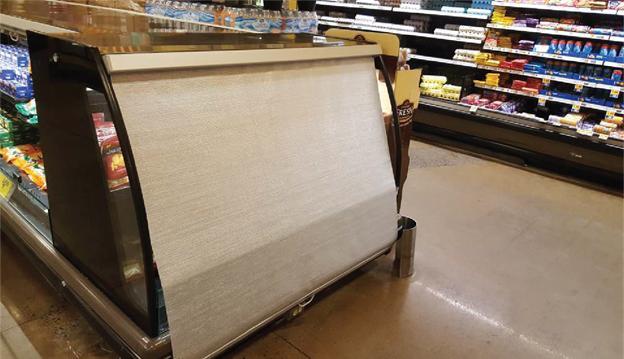
The operating habits that affect recovery time at opening, plus simple tracking metrics
Retailers using open refrigerated display cases know that overnight cooling is only part of the story. How quickly a case returns to optimal operating temperatures after opening commonly called “morning pull-down” directly affects product quality, shelf life, and energy efficiency. Even small differences in recovery time can impact perishable goods, especially in high-turnover departments like dairy, meats, seafood, and prepared foods. Night covers are one of the most effective tools to manage these dynamics, but their impact depends on operational habits, case type, and consistent staff routines.
This guide explains how night covers influence pull-down speed, identifies factors that affect recovery, and offers practical ways to track and optimize morning case performance.
Why Morning Pull-Down Matters
Morning pull-down refers to the period it takes for a refrigerated case to reach its target temperature once the store opens and staff begin stocking, handling, or opening doors. Faster pull-down ensures:
Consistent Product Quality: Temperature-sensitive items like fresh meat, seafood, and leafy greens remain at ideal storage conditions, preserving color, texture, and flavor.
Reduced Spoilage: Longer periods above recommended temperatures accelerate moisture loss, oxidation, and microbial growth.
Operational Efficiency: Efficient pull-down reduces the strain on compressors and lowers energy use.
Without effective night cover use or proper case management, morning pull-down can be slow, increasing energy consumption and potentially compromising perishable goods.
How Night Covers Improve Pull-Down
Night covers work by maintaining cold air in open or multi-deck cases during non-operational hours. Their effect on morning recovery is significant:
- Temperature Stabilization Overnight: Covers reduce the amount of warm air entering the case, keeping the case closer to its setpoint by the time the store opens.
- Reduced Compressor Strain: With less heat gain overnight, the refrigeration system works less to return the case to optimal temperatures.
- Faster Recovery: Cases with well-fitted night covers reach their ideal temperature more quickly once doors open and stocking begins.
Stores using night covers consistently see measurable improvements in pull-down speed, which translates into better product quality and energy efficiency each day.
Operational Habits That Affect Pull-Down
Even with high-quality night covers, recovery times vary depending on how stores manage cases:
1. Proper Cover Placement: Covers must sit flush with the case edges, sealing gaps where warm air could enter. Misaligned covers dramatically reduce effectiveness.
2. Door Management: Minimizing open-door time during morning stocking ensures less warm air enters the case, helping maintain faster recovery.
3. Stocking Practices: Adding large quantities of room-temperature products at once can temporarily raise case temperature. Staggering restocking can help maintain pull-down efficiency.
4. Compressor Settings: Ensure that compressors and fans are not manually limited overnight. Proper settings allow faster recovery while avoiding overshoot.
5. Case Cleanliness: Dust and debris on coils or under covers reduce airflow efficiency, slowing pull-down. Regular cleaning improves performance.
By training staff on these best practices, retailers can maximize the benefits of night covers and reduce morning recovery time consistently.
Simple Metrics to Track Recovery Performance
Monitoring pull-down performance does not require sophisticated tools. Retailers can track a few key metrics to ensure optimal case operation:
- Temperature Logging: Record case temperatures at opening and during the first hour to measure recovery rate.
- Time to Setpoint: Note how long it takes for the case to return to its ideal temperature after doors open.
- Energy Use Comparison: Compare overnight and morning energy consumption for cases with and without night covers.
- Product Quality Checks: Visual inspections for dehydration, discoloration, or condensation can indicate insufficient recovery.
Regularly reviewing these metrics helps identify trends, isolate problematic cases, and implement corrective actions before product quality or energy efficiency is impacted.
Best Practices for Using Night Covers to Optimize Pull-Down
To ensure consistent results, retailers should:
- Use Properly Sized Covers: Each case type multi-deck, coffin, island, or tub requires covers that fit correctly to prevent air leaks.
- Combine with Food-Safe Lighting: Balanced lighting reduces heat load inside the case, allowing night covers to work more effectively.
- Schedule Consistent Covering: Standardize procedures so staff reliably apply covers every night.
- Monitor and Adjust: Use temperature data to confirm pull-down performance and make adjustments to placement or stocking practices as needed.
Following these practices ensures night covers contribute to both energy savings and product preservation.
Benefits Beyond Temperature Control
While faster pull-down is the most direct benefit, properly implemented night covers provide additional advantages:
- Reduced Food Waste: Maintaining ideal temperatures overnight slows product degradation.
- Energy Efficiency: Less compressor work overnight and during morning pull-down lowers electricity consumption.
- Operational Predictability: Consistent pull-down times allow store managers to plan stocking and service schedules more effectively.
- Improved Customer Experience: Products appear fresher and visually appealing at opening, increasing customer confidence and loyalty.
These cumulative benefits make night covers a practical, measurable investment in both sustainability and operational efficiency.
Conclusion
Morning pull-down is a critical yet often overlooked aspect of refrigerated display case management. Night covers play a key role in stabilizing overnight temperatures, reducing energy use, and ensuring perishable products are ready for sale at opening. However, achieving optimal results depends on proper installation, consistent operational habits, and monitoring key performance metrics.
Retailers that implement night covers correctly see faster recovery times, lower energy costs, reduced spoilage, and more consistent product quality. By combining covers with effective stocking practices, door management, and balanced lighting, stores can maintain freshness, save money, and enhance shopper confidence each morning.
For detailed guidance on night cover selection, installation, and operational best practices for all case types, visit www.nightcovers.com and explore solutions designed for modern grocery operations.