
Introduction
Even when a supermarket is closed, refrigerated systems continue to face hidden environmental stress. One of the most critical but often overlooked factors is radiant heat gain. This occurs when surrounding surfaces such as walls, ceilings, lighting fixtures, and nearby equipment emit thermal radiation toward refrigerated cases. Over time, this invisible energy transfer continues to influence system load, even in the absence of customer activity. As a result, overall supermarket refrigeration efficiency is reduced during overnight operation cycles.
1. What Radiant Heat Gain Means in Retail Refrigeration
Radiant heat gain is the transfer of thermal energy through electromagnetic waves, rather than direct contact or air movement. Unlike convection or conduction, it does not require airflow to impact a surface.
In supermarket environments, heat is continuously emitted from structural elements that retain energy absorbed during the day. This slow release of heat continues after closing hours, creating a persistent thermal load on refrigeration systems. This condition increases refrigeration system inefficiencies, even during low-demand periods.
2. Why Heat Does Not Stop After Store Closing
A common assumption is that refrigeration systems become more efficient at night due to reduced external activity. However, building materials such as concrete, metal, and glass store thermal energy throughout the day and release it gradually overnight.
This delayed heat release means refrigerated systems must continuously compensate for incoming radiant energy. As a result, operational efficiency does not fully stabilize, and energy consumption remains elevated. This directly affects reduce refrigeration energy costs strategies in retail environments.
3. Impact on Open Refrigerated Case Systems
Open refrigerated cases are especially vulnerable to radiant heat gain because they lack physical barriers that block environmental energy transfer.
During overnight operation:
- Heat from surrounding surfaces continues to reach exposed products
- Cooling systems must maintain constant compensation
- Temperature recovery cycles become longer and less efficient
This contributes to open refrigerated case energy loss, even when external activity is minimal.
4. Thermal Radiation and Surface Interaction
Radiant heat does not depend on air movement; it directly affects exposed surfaces. In refrigerated display systems, glass panels, metallic structures, and product surfaces absorb this energy continuously.
This leads to gradual temperature elevation within localized zones of the case. Over time, this weakens refrigeration thermal performance, as systems struggle to maintain uniform internal cooling conditions.
5. Increased Energy Load During Overnight Operation
When radiant heat gain persists overnight, refrigeration systems operate under continuous load conditions. Compressors must run longer cycles to offset thermal intrusion from the environment.
This results in:
- Higher energy consumption during non-peak hours
- Increased system wear and operational strain
- Reduced overall efficiency in cooling performance
These effects negatively influence supermarket energy savings solutions, especially in large retail stores with multiple open display units.
6. Structural Sources of Radiant Heat
Several structural components contribute to overnight heat gain, including:
- Warm ceilings and roofing materials
- Interior lighting systems left on standby heat mode
- Adjacent refrigeration or cooking equipment
- External walls exposed to daytime heat retention
These combined sources maintain a continuous thermal load that affects refrigeration systems throughout the night cycle.
7. Effect on Temperature Stability in Display Cases
Radiant heat gain disrupts temperature uniformity inside refrigerated cases. Even slight increases in surface temperature can lead to uneven cooling distribution.
This instability impacts system performance and forces refrigeration units to adjust frequently. As a result, maintaining consistent cooling becomes more difficult, especially in open display environments.
8. Role of Night Cover Systems in Heat Reduction
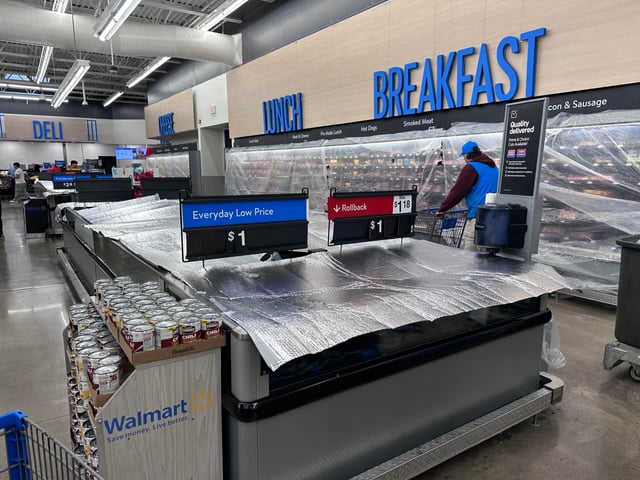
One of the most effective ways to minimize overnight radiant heat impact is through physical insulation methods.
Modern night covers for refrigerated cases help by:
- Blocking external radiant energy
- Reducing surface heat absorption
- Stabilizing internal temperature conditions
These refrigeration night cover solutions significantly reduce overnight energy loss and improve system efficiency.
9. Importance of Energy Optimization Strategies
To improve performance, retailers must address radiant heat gain at the design and operational level. This includes better insulation planning, structural material selection, and optimized store layouts that reduce heat transfer pathways.
These improvements support refrigeration energy optimization and contribute to long-term reductions in operating costs and energy consumption.
Conclusion
Radiant heat gain is a continuous and often underestimated factor that affects refrigerated case performance overnight. Even without customer activity, thermal radiation from surrounding structures increases system load and reduces efficiency. This leads to higher energy usage and reduced stability in refrigeration systems, directly impacting supermarket refrigeration efficiency.
By implementing proper control measures such as night covers for refrigerated cases, retailers can significantly reduce open refrigerated case energy loss, improve temperature stability, and enhance overall refrigeration performance.
For More Information
For more insights on advanced refrigeration efficiency and night cover solutions, visit https://www.nightcovers.com.